


Eras of Wrestling
4.7172.00 Reviews
App Specs
- Version
- 1.0.43
- Updated On
- License
- Free
- Downloads
- 50,000+
- Developer
- Checkmate Creative LLC
- Categories
- Sports
- Platform
- Android
Screenshots
 Analysis by AppCompare
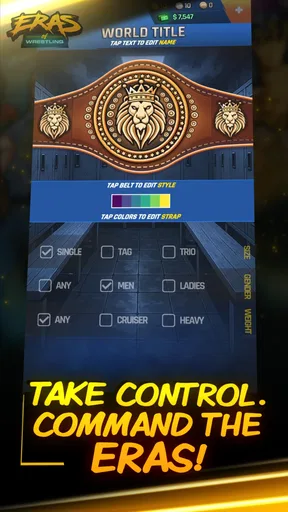
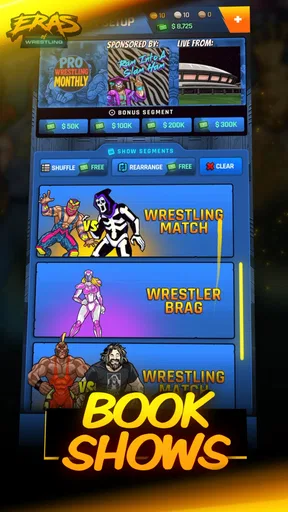
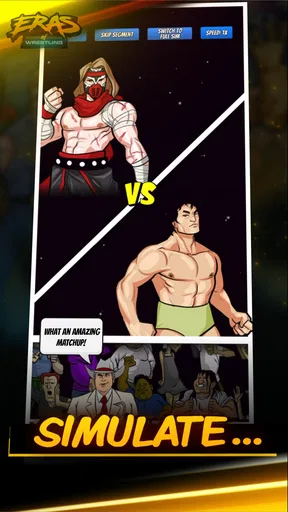
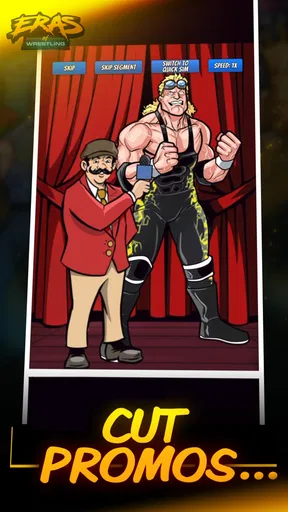
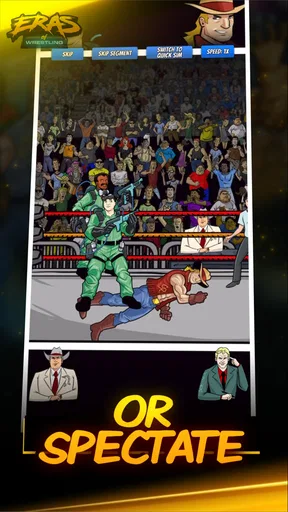
I approached Eras of Wrestling as a sports game first, but its real appeal is closer to running a small wrestling universe from a phone. The central idea is simple: build cards by booking characters from five different eras, then make the choices that turn a roster into a believable show. I found that the fun comes less from tapping through isolated matches and more from thinking about momentum, rivalries, timing, and the kind of audience I want each event to satisfy.
That makes it a particularly interesting choice for players who enjoy management games but do not want a spreadsheet-heavy simulation. It is free to start, carries an Everyone 10+ age rating, and comes from Checkmate Creative LLC. The game has reached over 50 thousand installs and holds a 4.7 average from 743 ratings, which suggests that its focused wrestling concept has connected with a committed audience. My experience was positive overall, although the game is much better suited to patient planning than to someone looking for immediate, action-heavy wrestling.
How the booking experience feels in everyday use
I find the everyday booking loop easiest to enjoy when I treat each session as a small creative task rather than trying to plan everything at once. Starting with one clear idea—such as which era to feature—can make the choices feel purposeful and leave me with a natural stopping point. That approach also helps reveal whether the game’s slower management style is what I want from a wrestling game.
Readable decisions matter more than flashy presentation
The most important accessibility question for a management game is whether I can understand what each decision will affect. In this one, the basic premise is easy to grasp: I am not controlling a wrestler move by move; I am acting as the person shaping the event. That distinction helps the game feel approachable for anyone who likes wrestling stories but does not have fast reflexes or experience with traditional sports simulations.
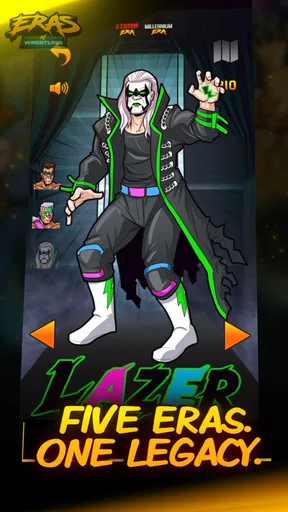
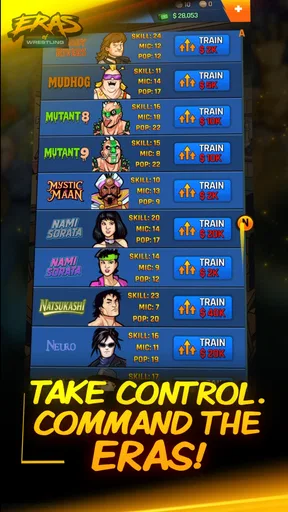
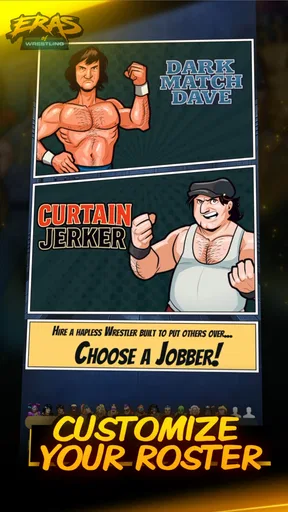
The five-era structure also gives the roster a natural organizing idea. Instead of treating every character as interchangeable, I found myself considering which combinations made sense for the period, which names deserved attention, and which matchups could make a card feel coherent. That is a useful mental framework for players who prefer sorting information into themes rather than scanning a large collection of unrelated options.
For readability, I would advise taking a moment to learn the rhythm of the booking screens before trying to optimize anything. The first few sessions are better spent identifying where roster choices, event planning, and progression information appear. Once that routine becomes familiar, the game feels less like a wall of management choices and more like a series of manageable editorial decisions. The strongest accessibility feature here is the clarity of the fantasy: you are booking a wrestling show, not wrestling the match yourself.
That clarity also makes it easier to play in short bursts. I could imagine opening the game while waiting for an appointment, setting up part of a card, and returning later when I had more attention available. It does not demand the same continuous concentration as a real-time sports title. The trade-off is that the game’s satisfaction comes from remembering the state of your plans, so players who frequently stop mid-decision may want to finish one small booking task before putting the phone away.
Worth Reading Before You Choose

EA SPORTS FC Mobile 26 Is a Bigger Football Game, but It Takes Time

Flipboard Shows What News Apps Must Do Beyond the Feed

Switching to Android Auto Means Rethinking Your Driving Routine

Google Calendar Makes a Crowded Week Easier to Manage

Ludo King Makes the Most of the Minutes Between Plans

Baby Panda World Brings Quick Play to Modern Phones, but Its Game Library Feels Busy
Why the five eras add useful cognitive structure
The era concept is more than a theme. It gives players a way to narrow their attention. When a roster feels broad, I can think in terms of the period I want to emphasize instead of trying to evaluate every possible option at once. That makes the game friendlier to people who become overwhelmed by open-ended management systems.
It also creates a practical workflow. I would begin by choosing the kind of show I wanted, then identify the wrestlers who best supported that idea, and only afterward worry about the order of matches. This prevents a common management-game mistake: filling slots quickly and discovering later that the event has no clear identity. In this game, building around an era or a particular style gives the card a stronger backbone.
Players with reading difficulties may still need to adjust their habits. The game’s appeal depends on absorbing names, roles, and the consequences of choices, so rushing through text or relying on visual scanning alone could make the experience harder. I found that reading one screen at a time and making a quick mental note of the current goal was more effective than repeatedly opening menus without a plan.
Motor demands are modest, but not completely irrelevant
Because this is a booking simulator rather than an action wrestling game, it places far less pressure on reaction speed, precise timing, or rapid combinations. That is a meaningful advantage for players with limited dexterity, tremors, fatigue, or simply a preference for slower interaction. The core challenge is choosing and organizing, not executing a long sequence of taps during a match.
In practical terms, that means someone who avoids fighting games because of demanding controls may find a comfortable alternative here. I could focus on the creative and strategic side of wrestling without needing to perform moves. It is also a better fit for a relaxed seated session than a game that expects constant hand movement.
There is still some friction in any mobile management interface. Selecting items, moving through menus, and revisiting decisions can become tiring if a player has difficulty with repeated tapping or holding a phone steadily. I would recommend using a larger device when possible and taking advantage of a stable grip rather than trying to play one-handed during a commute. Those are not special features of the game, but they make its slower style easier to enjoy.
One useful tactic is to separate planning from execution. I would first decide the story or purpose of an event, then enter the game and make the related selections in one focused pass. This reduces unnecessary navigation and avoids repeatedly changing the same booking. It is a small habit, but it matters for anyone who finds repeated menu interaction more demanding than the strategic thinking itself.
Sensory comfort depends on the player’s tolerance for information
The game is less likely to overwhelm someone through rapid action than a conventional wrestling title. There is no need to track a live opponent, react to sudden attacks, or watch several things happen at once. That calmer pace can suit players who prefer predictable interaction and time to consider a decision.
However, a management game can still become mentally busy when several pieces of information compete for attention. Roster choices, era identity, event structure, and long-term planning all matter. My best sessions came when I treated each show as a contained project instead of trying to solve the entire wrestling universe at once.
For players who are sensitive to visual clutter or who tire quickly from dense screens, shorter sessions are likely to work better than marathon booking. I would set one goal, such as shaping a single event or reviewing a particular group of wrestlers, and stop once that goal was complete. This approach also makes the game feel more rewarding because each session produces a visible piece of progress rather than a vague sense of having browsed menus.
Sound is not the reason I would recommend this game. Its identity comes from the decisions and the wrestling context, so someone who plays with audio lowered or unavailable should still be able to appreciate the central concept. That makes it suitable for quiet public spaces, provided the player is comfortable reading and interacting without relying on sound cues.
Playing in public, at home, or with limited attention
The most realistic everyday use case is a short planning session at home after work. I might have ten or fifteen minutes, choose the era I want to feature, arrange a few important matchups, and leave the rest for later. The game supports that kind of stop-and-start relationship better than a title that punishes interruption during a live contest.
It can also work during travel, but I would not treat it as a completely effortless commute game. A moving vehicle, glare, and limited hand stability can make any menu-based title less comfortable. If I were playing outside, I would keep the session focused on reviewing or making a small number of choices rather than attempting a full reorganization of my plans.
For parents or shared-device households, the Everyone 10+ rating makes the game easier to consider than a mature wrestling product, but the age label should not be confused with universal suitability. A child who enjoys wrestling stories and management may find it approachable, while a younger player who expects immediate action could lose interest. The game asks for patience and interpretation, not just enthusiasm for the sport.
It is also a good candidate for players who cannot reliably commit to long sessions. I would not recommend opening it when I only have enough time to make one hurried decision, because the enjoyment comes from seeing how choices fit together. But it is forgiving in the broader sense: missing a dramatic action sequence does not mean missing the entire point of the game.
Where the experience can become less inclusive
The main barrier is not physical speed; it is the amount of attention the game expects from the player. Anyone who dislikes reading, comparing options, or remembering why a booking was made may find the simulator slower than expected. The wrestling theme gets me through that friction, but a player who wants a traditional match-based experience should look elsewhere.
Another limitation is the possibility of decision fatigue. The freedom to shape a show is appealing, yet it can become work if I approach every choice as though it needs perfect optimization. I found it more enjoyable to accept that some cards would be experimental. Players who feel pressure to make every event ideal may need to adopt a more playful mindset.
In-app purchases range from $0.99 to $39.99 per item. That price span is important for anyone managing a budget, especially because a free entry point can make optional spending feel less noticeable over time. I would begin without buying anything, decide whether the booking loop genuinely holds my attention, and set a personal spending limit before considering extras. The game is most convincing when the player enjoys the decisions themselves rather than feeling pushed to accelerate progress.
Version 1.0.43 supports devices running Android 7.0 or later, so compatibility is broad across older Android hardware. Even so, an older phone may make extended menu sessions less pleasant because of screen size, responsiveness, or battery condition. Players with small displays should pay particular attention to whether text and controls feel comfortable at their normal viewing distance.
The game is also not the right choice for someone seeking a licensed-feeling presentation built around direct match control. Its value lies in fantasy booking and long-term organization. If I want to perform a finisher, counter an opponent, or experience the physical rhythm of a bout, an action wrestling game will be a better match. If I want to decide who headlines and how an era is represented, this title makes more sense.
Three practical ways to make the game easier to use
My first recommendation is to begin with a theme rather than a blank slate. Pick one era and decide what kind of event it represents before selecting individual matches. This reduces the number of choices competing for attention and gives every booking decision a reason. It is especially helpful for players who find open-ended menus difficult to navigate.
Second, use a “story before order” workflow. Decide which rivalry, pairing, or featured wrestler should matter most, then arrange the rest of the card around that priority. I found this more manageable than starting with the first available slot and filling downward. It also creates a clearer event, which is useful when returning after a break and trying to remember what the show was meant to accomplish.
Third, treat the five eras as filters, not obligations. I do not need to give every period equal attention in every session. Concentrating on one era can make the experience more readable, while mixing eras becomes more enjoyable once I understand the roster and the kind of show I want to build. This is a small but valuable trade-off between variety and mental load.
A fourth habit is worth adding for players with limited energy: stop after a meaningful decision. There is no benefit in continuing until fatigue turns creative planning into random tapping. Ending after a coherent section of a card preserves the fun and makes it easier to return later. For me, this was more effective than measuring a good session by its length.
Who will appreciate it, and who should skip it
I would recommend this sports game to wrestling fans who enjoy imagining alternate cards, comparing eras, and thinking about presentation from a promoter’s point of view. It is also a strong fit for people who like management games but want a subject with personality rather than a generic business simulation. The five-era format gives experimentation a clear identity, and the slower interaction lowers the barrier for players who do not enjoy reflex-based sports games.
It may suit players with motor limitations better than an action wrestling game because the core activity is selection and planning. That said, I would still suggest testing the interface personally if precise tapping or prolonged reading is difficult, since comfort depends on the device and the player’s needs. The game offers a lower-pressure style, not a guarantee that every screen will be effortless.
I would skip it if my priority were realistic match control, quick competitive rounds, or a simple game that explains everything immediately. I would also hesitate to recommend it to someone who dislikes optional purchases on principle, even though the game is free to start, because the listed item prices can become significant at the upper end. A traditional wrestling action game or a simpler arcade title would be a better choice for those preferences.
My inclusive verdict after spending time with it
Eras of Wrestling succeeds because it makes wrestling management feel like a creative activity rather than a test of reflexes. Its strongest inclusive quality is the ability to engage with the sport through planning, storytelling, and organization. Players can think about eras and cards at their own pace, and the game works naturally in short, quiet sessions.
It is not frictionless. Dense decision-making can tire readers, repeated navigation may challenge some motor needs, and the optional purchase range deserves deliberate budgeting. The game also asks for more patience than its short summary might suggest. Those limitations matter, particularly for players who need highly simplified interaction or who want immediate action.
Still, I think the balance is favorable for the right audience. Checkmate Creative LLC has built a focused sports simulator for people who want to book wrestling rather than control every move. With a 4.7 average across 743 ratings, it has clearly found an audience, and my own recommendation is straightforward: try the free version if the idea of shaping five eras of wrestling sounds more exciting than pressing buttons during a match. Start slowly, organize each event around one clear idea, and judge the game by how much pleasure you get from making decisions—not by how quickly you can fill a card.
Pros
- Easy-to-learn controls make matches accessible to casual players.
- Career progression gives matches a clear sense of purpose.
- The wrestling theme is presented with a fun retro-style atmosphere.
- Short bouts work well for quick gaming sessions.
- Unlockable content encourages continued play over time.
Cons
- Match variety may feel limited after extended play.
- Some progression elements can require considerable grinding.
- Visuals and animations may seem basic on newer devices.
- The interface can feel crowded on smaller phone screens.
- The game may appeal mainly to dedicated wrestling fans.
FAQs for Eras of Wrestling
What is Eras of Wrestling, and what kind of gameplay does it offer?
Eras of Wrestling is a wrestling-focused game built around the excitement of managing and competing in matches inspired by different periods of professional wrestling. Players can typically develop wrestlers, create rivalries, plan events, and take part in bouts that combine strategy with sports-entertainment presentation. It is best suited to fans who enjoy building stories and managing a wrestling world, rather than expecting a purely arcade-style fighting game.
Can I play Eras of Wrestling offline, or does it require an internet connection?
The connection requirements may depend on the version and features available on your device. Basic single-player content may be accessible offline, but online functions such as updates, cloud synchronization, leaderboards, account services, or downloadable content can require an internet connection. Before downloading, check the store listing and the game’s in-app notices, especially if you plan to play while traveling or with limited mobile data.
Is Eras of Wrestling free to download, and does it include in-app purchases?
Eras of Wrestling may be available as a free download or through a paid distribution model, depending on the platform and edition. If it is free, optional purchases could be used for extra content, progression support, customization, or other premium features. It is worth reviewing the current Google Play or App Store listing carefully, because pricing, advertising, subscriptions, and purchase options can change between updates or regions.
Is Eras of Wrestling suitable for beginners who are not familiar with wrestling games?
The game can be approachable for newcomers if they are willing to learn its menus, match systems, and management mechanics. However, players who are unfamiliar with wrestling terminology or booking-style gameplay may need some time to understand how rivalries, wrestler development, events, and victories work together. Beginners should start with tutorials, introductory modes, or smaller events before attempting more complex long-term campaigns.
What devices are compatible with Eras of Wrestling, and how much storage does it need?
Compatibility depends on the specific Android or iOS version, operating-system requirements, and the developer’s latest updates. Check the official store page for the minimum supported Android version, iOS version, device restrictions, and available storage information before installing. Keep additional free space available for patches and saved data, since the final installation size can be larger than the initial download shown in the listing.


